
⚡ SPEED & ARCHITECTURE INSIGHTS
Inside OptiWave: Speed & Web Vitals
Deep technical teardowns, Core Web Vitals breakdowns, and actionable WordPress speed optimization guides written by performance engineers.
-

Instant Navigation: How Speculation Rules API Achieves 0ms Page Loads in WordPress
When a user clicks a link on your site, every millisecond spent waiting for the server to return HTML costs you engagement, bounce rates, and mobile conversions. For…
-

Why Server-Level Rewrite Rules Load Pages in 1ms (And PHP Drop-Ins Don’t)
When you analyze your web performance metrics, every single millisecond directly affects your conversion rate. A delay of just 100 milliseconds in Time to First Byte (TTFB) degrades…
-

The Ideal OptiWave Settings Guide (Complete Setup for 2026)
Configuring a WordPress speed plugin can feel overwhelming when dealing with dozens of toggles. OptiWave organizes all performance controls into 10 structured dashboard sections. Setting up OptiWave correctly…
-
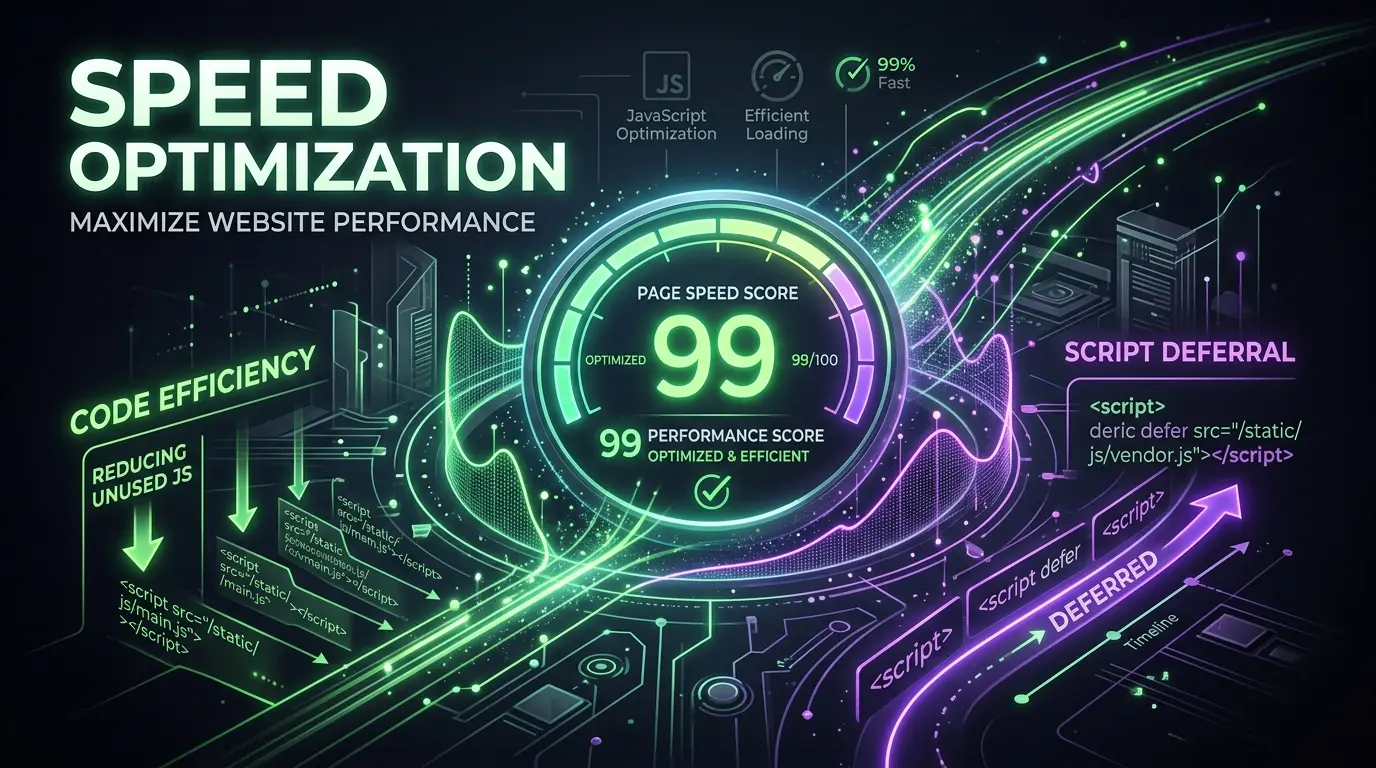
Fixing “Reduce Unused JavaScript” in PageSpeed Insights
You run your WordPress site through Google PageSpeed Insights, and the orange warning stares back at you: Reduce unused JavaScript. Below it, a list of scripts you did…
-
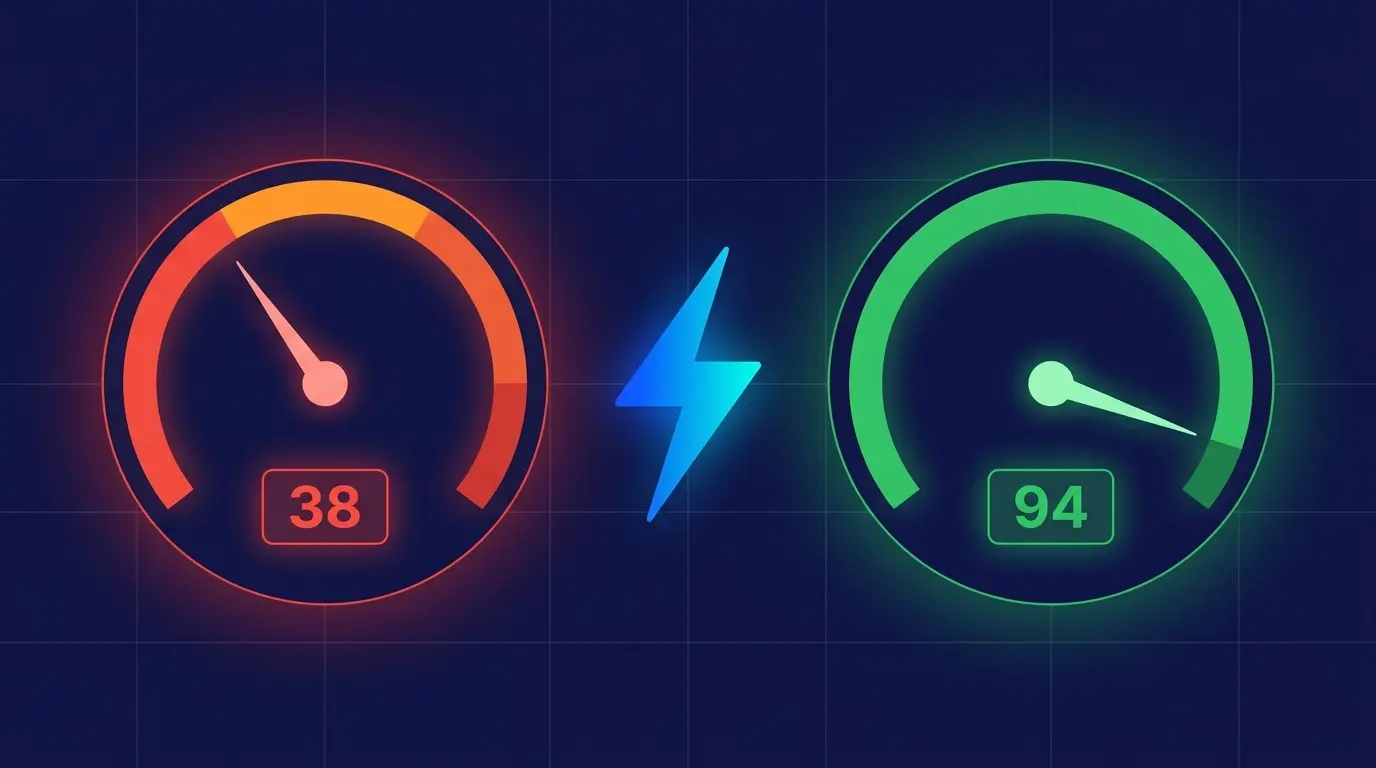
How to Speed Up Elementor in 2026 (Without Breaking Layouts)
Elementor powers over 16 million WordPress sites. It is also one of the heaviest page builders ever shipped. A default Elementor page loads 800KB+ of render-blocking CSS and…
-

How to Pass Google’s Interaction to Next Paint (INP) Metric
Learn how brute-force JS delay execution affects Google Core Web Vitals, why manual speed debugging impacts margins, and how OptiWave solves WordPress INP on autopilot.
-
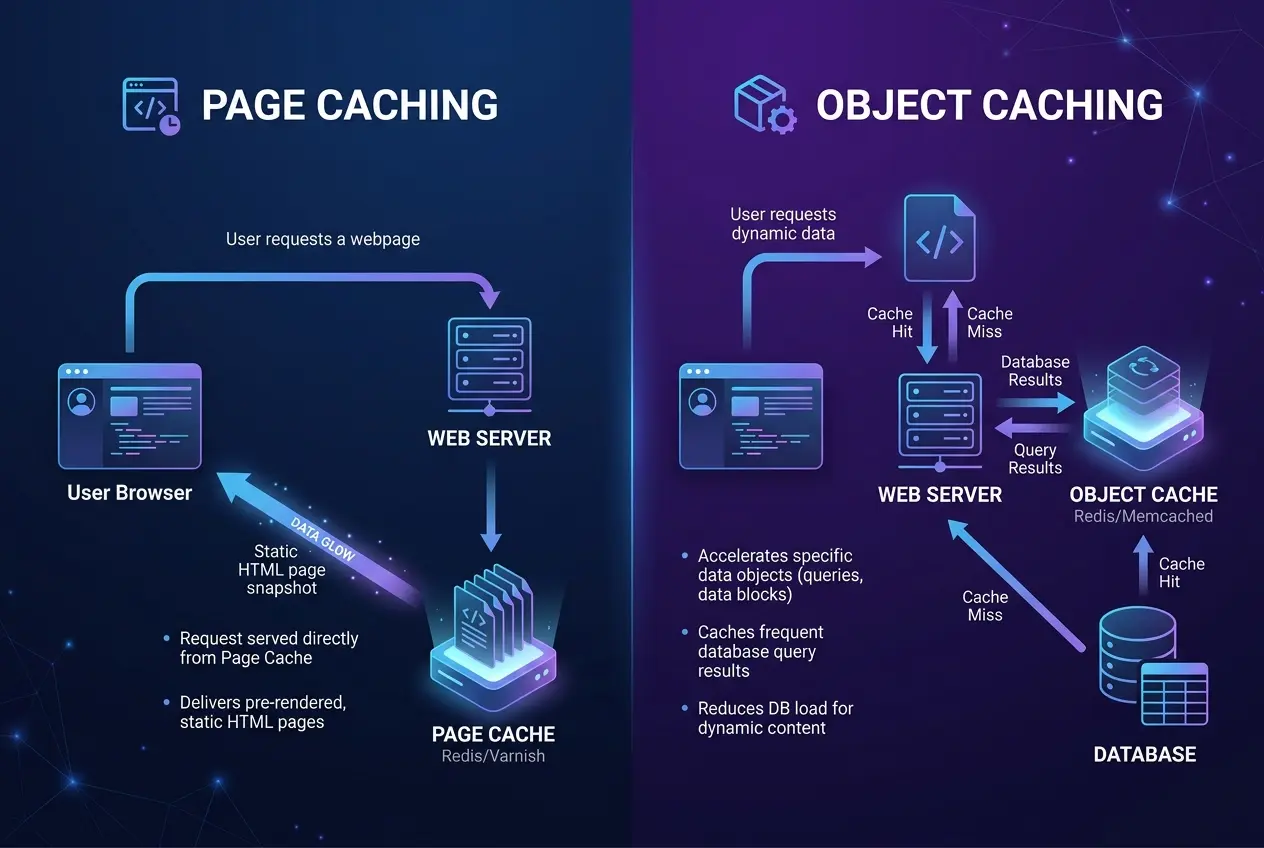
Redis Object Caching vs. Page Caching: What’s the Difference?
In the world of WordPress speed optimization, caching is the ultimate tool. However, developer discussions often confuse two distinct caching layers: Page Caching and Object Caching. While both…
-
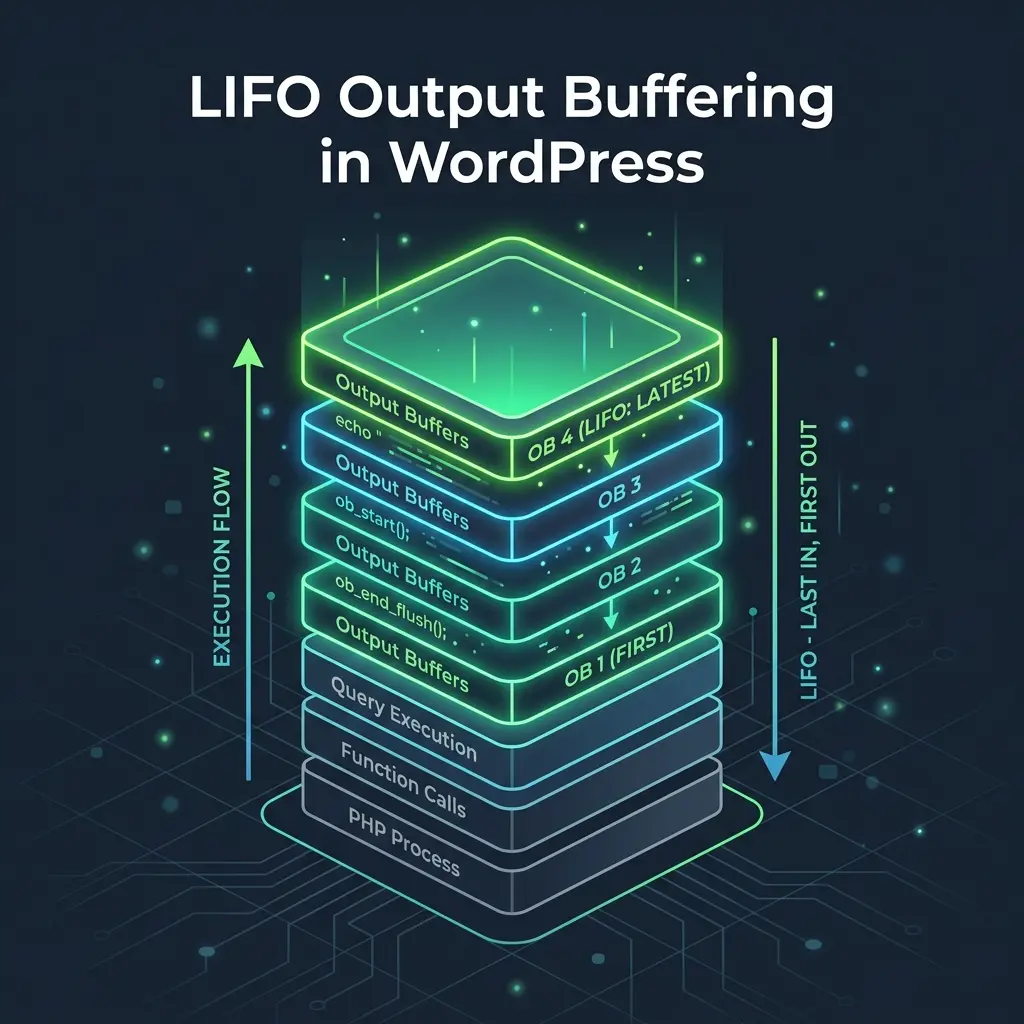
The Developer’s Guide to LIFO Output Buffering in WordPress
Optimization plugins speed up page load times by combining, minifying, and delaying resources. However, intercepting the HTML structure dynamically requires utilizing the WordPress output buffer stack. Without a…
-

Why Standard Preloading Fails: Remote Preloading vs. Local Loopbacks
Most WordPress caching plugins promise “instant page speeds” by preloading your cache. But if you have ever managed a high-traffic WooCommerce store or a content-heavy site, you have…
-

Introducing OptiWave: Lightning-Fast WordPress Caching on Autopilot
WordPress caching is the most effective way to optimize your site, but most plugins make it complex. They require users to configure dozens of toggles, only to break…
Ready to Make Your Website Fly?
Get started today with our risk-free 14-day trial and experience sub-second page loads on your site.
✓ 14-Day Free Trial
✓ Instant PageSpeed Boost
✓ Setup in 2 Minutes